Fragment Size Distribution
Natural variation in fragment sizes occurs during milling. While graded for consistency, slight differences in grain size reflect the artisanal milling process and do not affect cooking quality.
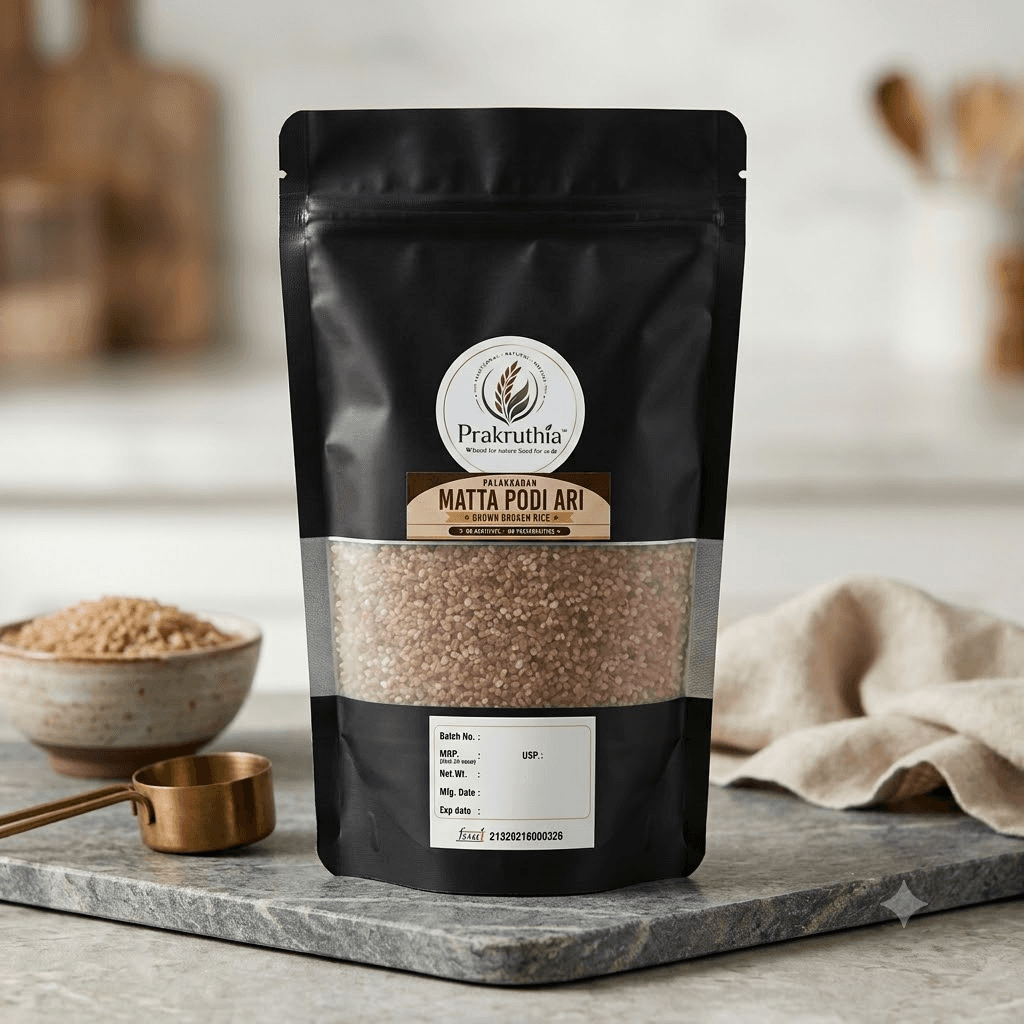
Intentionally broken Palakkadan matta grains for the perfect creamy Kerala kanji
In Kerala, broken rice — known as podiyari (പൊടിയരി) — is far from being considered waste. It is a purposeful, cherished ingredient at the heart of kanji, the quintessential comfort food of every Malayalam household. When the monsoon rains lash the coconut palms outside, or when someone in the family is recovering from illness, a steaming bowl of kanji made from podiyari is the first remedy that comes to mind.
Prakruthia's Matta Broken Rice is made from authentic Palakkadan matta rice — intentionally broken to a specific fragment size that releases just the right amount of starch during cooking, yielding a naturally creamy, velvety porridge without any additives. Each grain fragment still carries the distinctive red bran of matta rice, preserving both the earthy flavour and the wholesome nutrition that makes this such a nourishing food.
What makes it special
Producing quality podiyari is a careful balance. The Palakkadan matta rice is milled through calibrated rollers that fracture the grains into consistent fragments — not too fine (which would produce powder unsuitable for kanji) and not too coarse (which would cook unevenly and lose the characteristic creaminess).
Throughout the process, the red bran layer is preserved on each fragment, ensuring that the nutritional profile — rich in iron, B-vitamins, and dietary fibre — remains intact. After milling, the broken rice passes through grading sieves that separate out dust and oversized pieces, ensuring uniform fragment size. This consistency is critical: evenly sized fragments cook at the same rate, releasing starch uniformly for that signature silky kanji texture that Kerala grandmothers have perfected over generations.
Nourishing podiyari
Calibrated milling preserves red bran and yields perfect kanji texture
Each batch of Chakka Varatty is uniquely its own — a reflection of the season, the fruit, and the hands that made it.
Natural variation in fragment sizes occurs during milling. While graded for consistency, slight differences in grain size reflect the artisanal milling process and do not affect cooking quality.
The intensity of the red-brown bran colour varies with each harvest depending on soil minerals and rainfall in Palakkad, ranging from deep russet to warm amber.
Starch levels naturally fluctuate between harvests, which may result in slightly thicker or thinner kanji consistency. Adjust water quantity to achieve your preferred texture.
Minor variations in fragment thickness mean cooking times can differ by a few minutes between batches. The rice is ready when it reaches a soft, creamy porridge consistency.
Variation in colour, texture, and sweetness is a natural quality of handcrafted, small-batch production — not a defect. It is precisely what makes each jar special.
The most beloved preparation is traditional Kerala kanji — broken rice simmered slowly with water until it reaches a creamy, porridge-like consistency, served hot with crispy pappadam, spicy mango pickle, or simple shallot chammanthi. This is monsoon food, comfort food, and soul food all in one bowl.
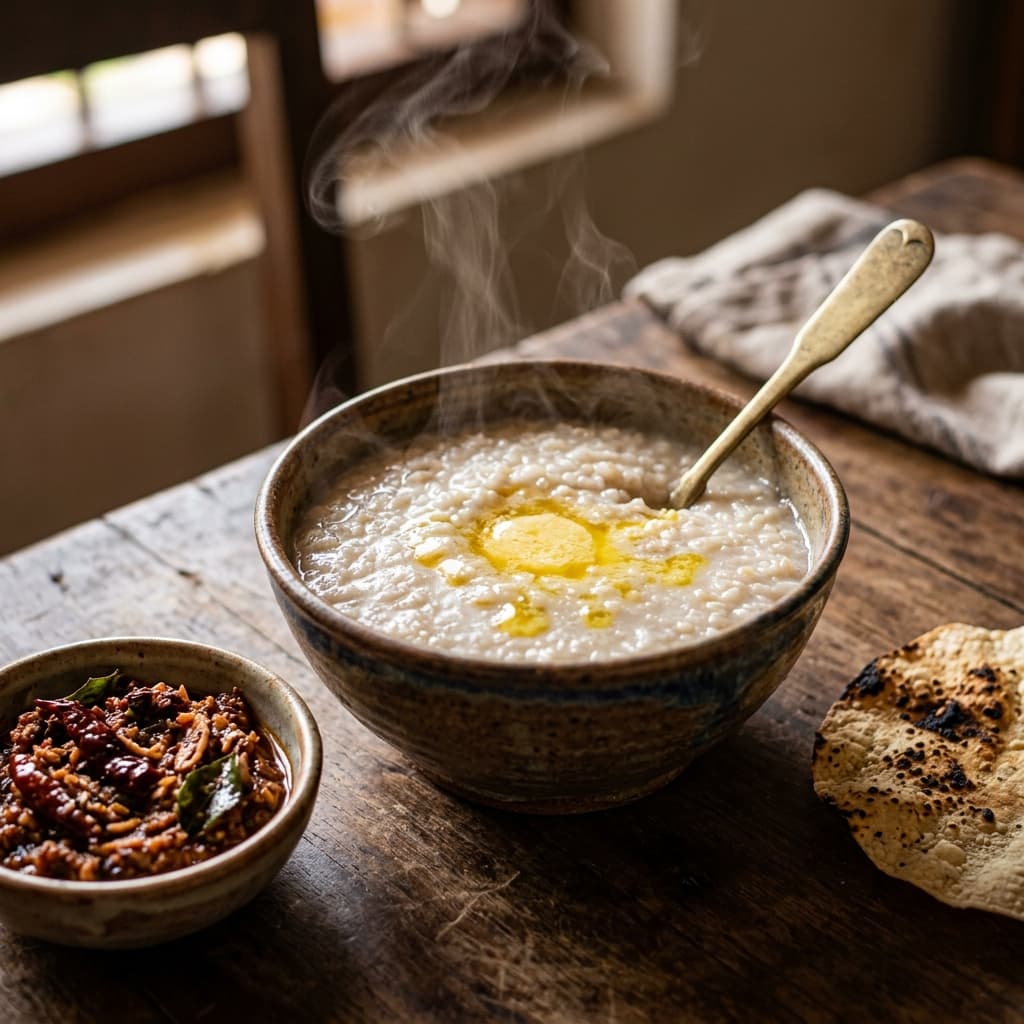
Slow-simmered broken rice porridge served with crispy pappadam and spicy pickle — the ultimate Kerala comfort meal for rainy evenings and quiet mornings alike.
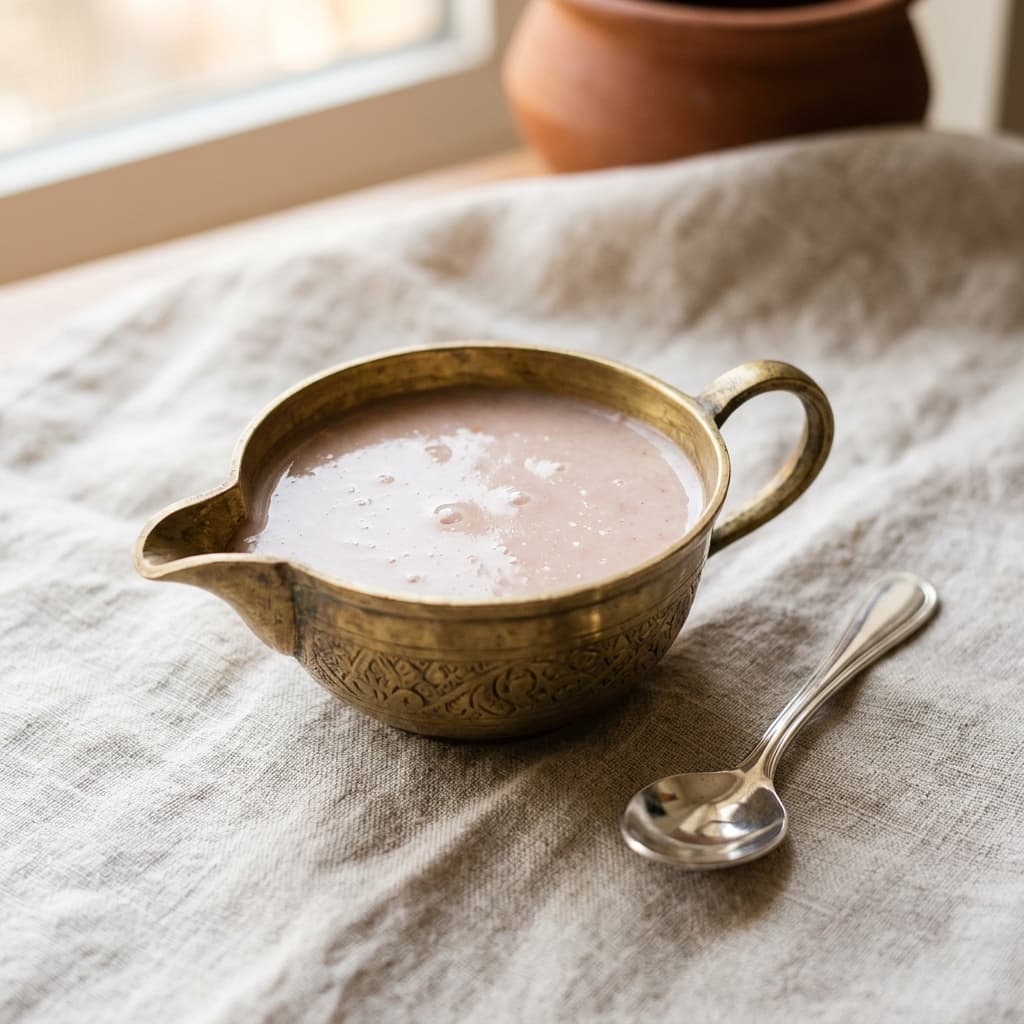
Gentle, easily digestible rice porridge perfect for infants transitioning to solids, the elderly, and anyone recovering from illness. Rich in energy and gentle on the stomach.
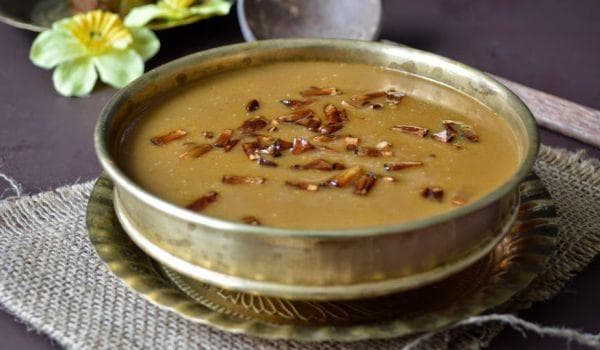
Broken rice cooked with jaggery, coconut milk, and cardamom into a luscious sweet porridge — a traditional dessert that nourishes body and soul.
Kanji holds a sacred place in Kerala's cultural memory. "Kanji vellam" — the starchy water drained from cooked rice — has been considered medicinal for centuries, given to those with fever, digestive troubles, or general weakness. In many Kerala households, kanji is not just a meal but a form of care, prepared with intention and served with love.
In temples across Kerala, kanji made from broken rice is offered as prasadam, particularly during festivals and special poojas. The simplicity of the dish — just rice, water, and perhaps a pinch of salt — elevates it to something almost spiritual. During the famous Thrissur Pooram and Onam celebrations, communal kanji distribution feeds thousands. The tradition of "kanji veettu" (kanji houses) that fed travellers along ancient trade routes speaks to how deeply this humble porridge is woven into Kerala's collective identity of hospitality and nourishment.